


Work Safely at Heights Training: Your Guide to Heights Safety Training
Updated: Feb 26

Working at heights is one of the most hazardous tasks in construction, maintenance, and industrial sectors. The risks are real, and the consequences of neglecting safety can be severe. That's why mastering heights safety training is not just a regulatory requirement but a critical investment in your team's wellbeing and your business's success.
In this post, I'll walk you through the essentials of working safely at heights, share practical tips, and explain why proper training is a game-changer. Whether you're managing a site or directly involved in high-risk tasks, this guide will help you understand what it takes to stay safe and compliant.
Why Heights Safety Training Matters
When you work at heights, even a small mistake can lead to serious injury or worse. Falls are among the leading causes of workplace fatalities in Australia, especially in sectors like construction and maintenance. This is why height safety training is crucial.
Training equips workers with the knowledge and skills to identify hazards, use equipment correctly, and respond effectively in emergencies. It also helps businesses meet legal obligations under Australian Work Health and Safety (WHS) laws.
For example, understanding how to inspect harnesses, set up guardrails, or use fall arrest systems can prevent accidents before they happen. Training also builds confidence, so workers feel prepared rather than anxious when working at heights.
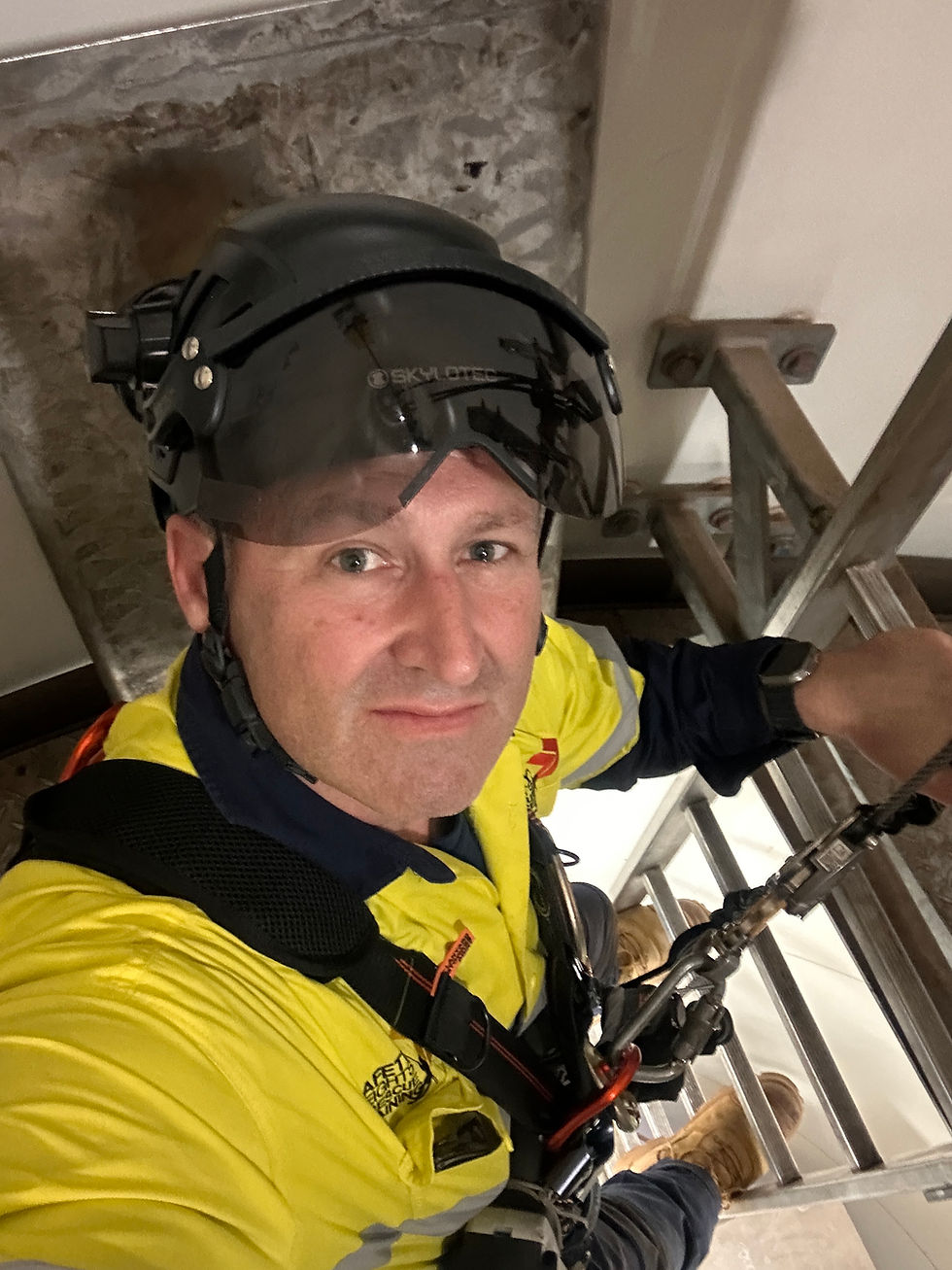
Proper training ensures workers know how to use safety gear correctly.
Key Components of Effective Heights Safety Training
Practical training covers more than just theory. It combines practical skills, hazard awareness, and emergency preparedness. Here are the core components you should expect from a comprehensive program:
Risk Assessment and Hazard Identification
Learn how to spot potential dangers such as unstable surfaces, adverse weather conditions, or improper equipment use.
Use of Personal Protective Equipment (PPE)
Training on selecting, inspecting, and correctly wearing PPE such as harnesses, helmets, and lanyards.
Safe Work Procedures
Step-by-step guidance on how to perform tasks safely, including ladder use, scaffolding, and working on roofs.
Emergency Response and Rescue Techniques
Knowing what to do if a fall occurs, including rescue plans and first aid.
Legal and Regulatory Requirements
Understanding your responsibilities under WHS laws and industry standards.
By mastering these areas, workers can significantly reduce risks. For instance, knowing how to conduct a pre-work safety check can catch faulty equipment before it causes harm.
Choosing the Right Training Provider
Selecting a reputable training provider is essential. Look for organisations that specialise in height safety and have experience in your industry. They should offer hands-on training, up-to-date materials, and certified instructors.
In Western Australia, I recommend exploring options such as WorkSafe at Heights training in Perth, which offers tailored courses that meet local regulations and industry needs.
When evaluating providers, consider:
Course content relevance to your specific work environment
Trainer qualifications and experience
Flexibility in training delivery (on-site, online, or blended)
Post-training support and refresher courses
A good provider will also help you develop a safety culture, not just tick a compliance box.

Hands-on practice is vital for mastering safety skills.
Practical Tips for Maintaining Safety at Heights
Training is the foundation, but ongoing vigilance is key. Here are some practical tips to keep safety top of mind every day:
Conduct daily safety briefs before starting. Work at heights. Discuss hazards and control measures.
Inspect all equipment before use. Look for wear, damage, or defects.
Use the buddy system. Having a colleague nearby can help in emergencies.
Follow manufacturer instructions for all safety gear and tools.
Keep work areas tidy to avoid tripping hazards.
Stay alert to weather changes. Wind, rain, or heat can increase risks.
Report any unsafe conditions to supervisors immediately.
By embedding these habits, you create a safer workplace and reduce the chance of accidents.
Building a Safety-First Culture in Your Business
Safety at heights is not just about individual actions; it's about the culture you foster. Leadership commitment, clear communication, and continuous improvement are vital.
Encourage open dialogue about safety concerns without fear of blame. Recognise and reward safe behaviour. Regularly review and update safety procedures based on feedback and incident reports.
Investing in ongoing training and refresher courses keeps skills sharp and shows your team that safety is a priority. Remember, a strong safety culture leads to fewer incidents, higher morale, and better productivity.
Mastering the skill set is a journey, not a one-time event. By choosing the proper training, applying practical safety measures, and nurturing a safety-first mindset, you protect your team and your business. If you're looking for experience, consider Work Safely at Heights Training Perth to get started on the right path today.


Comments